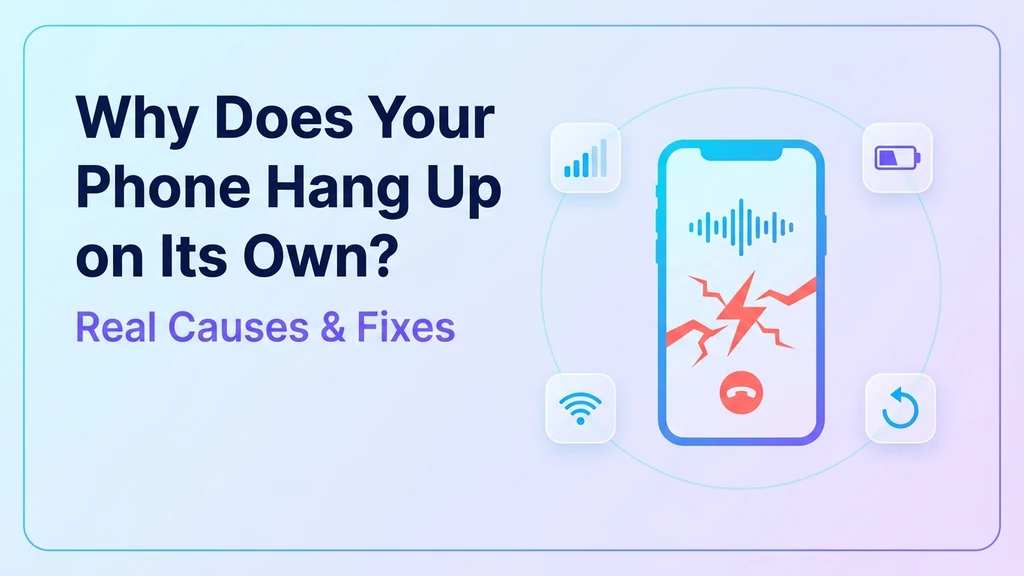
A call that ends itself has a specific cause, not a random glitch
A call cutting off mid-conversation feels random, but it almost always traces back to one of a small handful of causes — a weak signal, a network handoff between towers or connection types, an aggressive battery setting killing the call app in the background, or a misconfigured VoIP line. Each has a different fix.
This guide walks through the real causes in the order worth checking them, plus what's different when it's a business VoIP line rather than a personal phone.
Weak or fluctuating signal
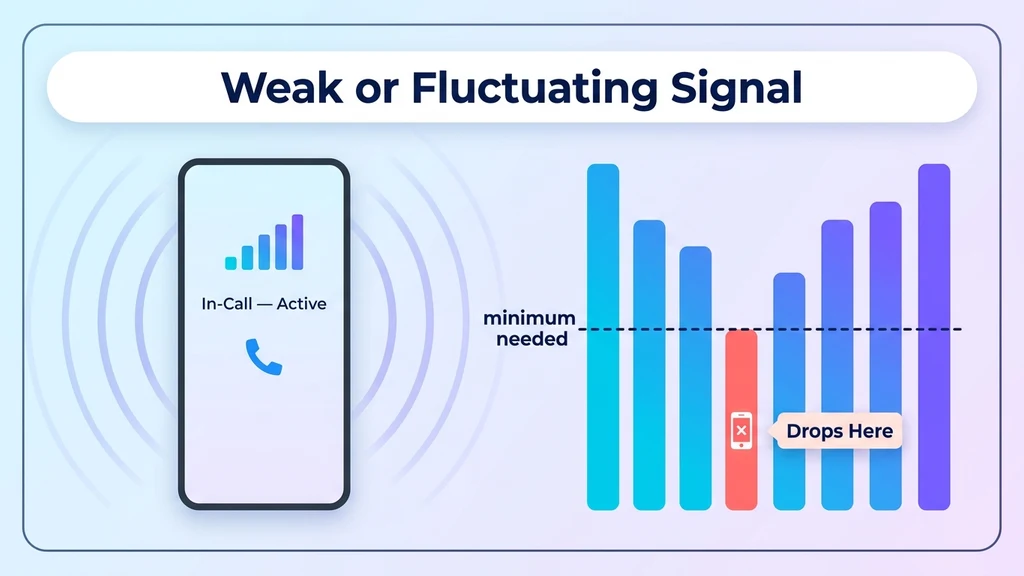
The most common cause by far: a call that drops when the signal dips below the threshold needed to sustain it, especially while moving between rooms, floors, or areas with inconsistent coverage. This shows up most in basements, elevators, cars passing through tunnels, and rural areas with sparse tower coverage.
The fix: Check the signal indicator during a dropped call — if it's low or fluctuating, the fix is usually Wi-Fi calling (if the phone and carrier support it) rather than relying on cellular signal alone in a weak-coverage spot. The FCC's mobile coverage reporting covers how carrier coverage maps are measured, useful context for confirming whether a location is a genuine weak-signal spot.
Network handoff failures
Phones constantly hand calls off between cell towers, and between Wi-Fi calling and cellular, as signal conditions change. Most of the time this is invisible — but an imperfect handoff, particularly moving between a Wi-Fi network and cellular data mid-call, can drop the connection entirely instead of switching cleanly.
The fix: If drops consistently happen at a specific location (leaving the house, entering a specific building), that's a strong sign of a handoff issue rather than a general coverage problem. Toggling Wi-Fi calling off temporarily in that specific spot can confirm whether it's the cause.
Ready when you are
Protect your business line.
MCM's local numbers ship with verified caller ID and smart call filtering — customers always know it's really you, and spam never reaches your team.
Battery optimization killing the call in the background
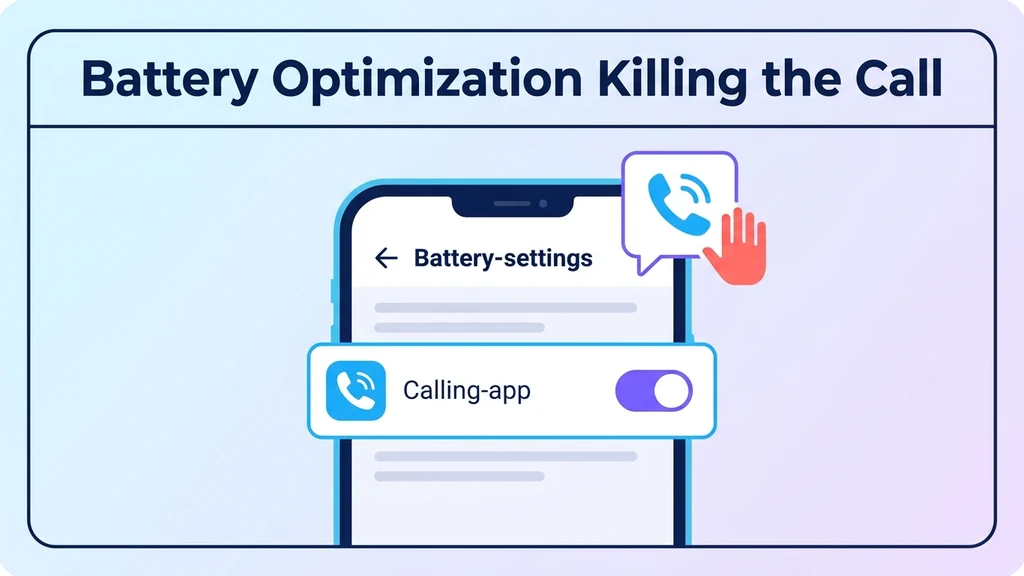
Modern phones aggressively manage battery life by closing background apps, and on some Android phones in particular, overly aggressive battery optimization settings can kill a calling app — including the phone's own dialer in rare cases, or a VoIP calling app more commonly — while a call is technically still connecting or held in the background.
The fix: Check the phone's battery settings for the calling app in question and exclude it from aggressive battery optimization or "sleep" restrictions. This is especially worth checking for anyone using a VoIP calling app rather than the built-in phone dialer, since third-party apps get restricted more aggressively by default on many Android devices.
A software glitch that needs a restart
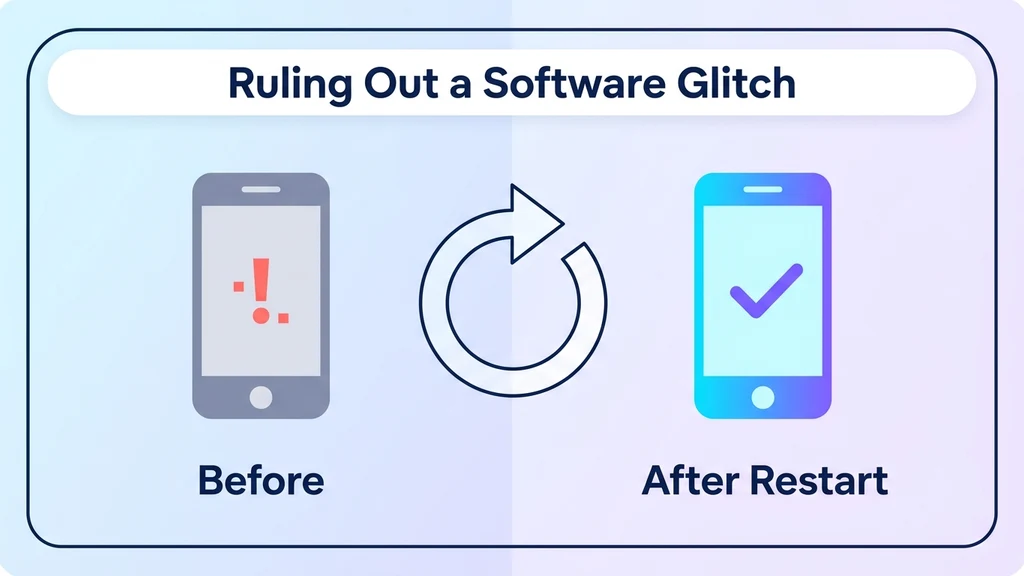
Occasionally a call drops due to a temporary software state issue rather than any of the causes above — a stuck process, a corrupted temporary cache, or a modem/radio firmware hiccup. This is hard to diagnose directly, which is exactly why it's worth ruling out cheaply before assuming a deeper problem.
The fix: A full restart (not just closing the app) clears this category of issue more often than any other single step. If calls keep dropping identically after a restart, that rules out a temporary glitch and points back to signal, handoff, or a setting.
When it's a business VoIP line instead of a personal phone
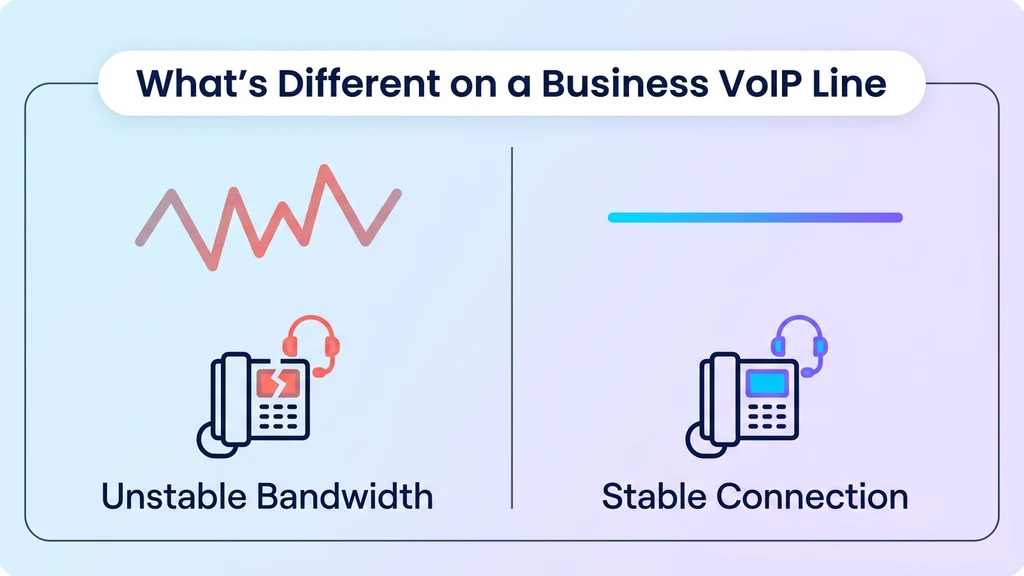
Calls dropping on a VoIP-based business line have a different, more specific set of likely causes than a personal cell phone:
Insufficient or unstable internet bandwidth. VoIP calls need a consistent, modest amount of bandwidth throughout the entire call — a connection that's merely "fast" on a speed test can still drop calls if it's inconsistent moment to moment, particularly on shared office Wi-Fi under load from other devices.
Router or firewall configuration issues. Some routers and firewalls interfere with the SIP signaling that VoIP calls rely on to stay connected, particularly around session timeout settings not tuned for VoIP traffic.
Codec or provider-side network issues. Occasionally the drop originates on the provider's network rather than the local connection, which is why checking whether drops happen only on inbound, only on outbound, or both helps narrow down where the problem actually sits.
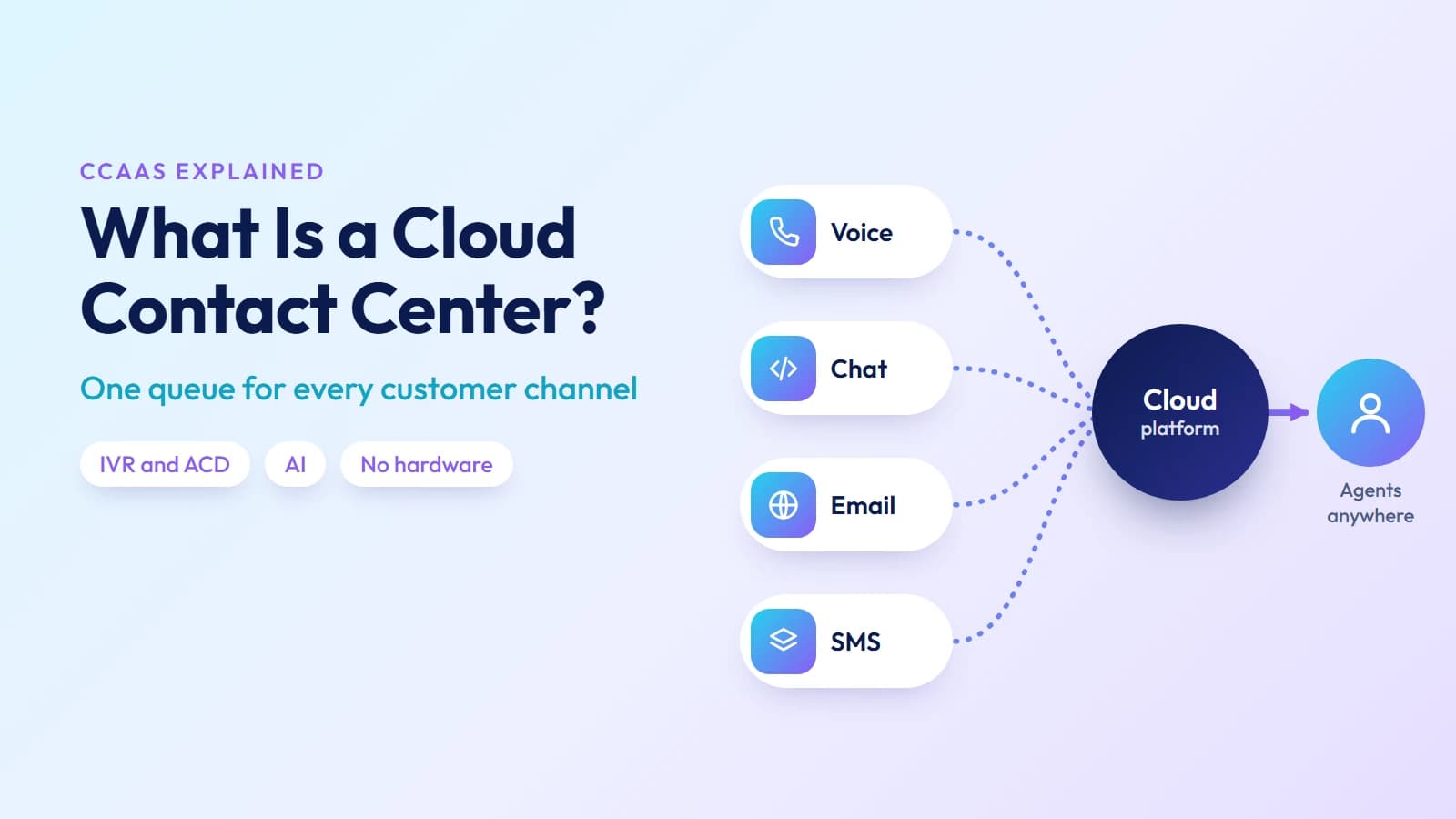
Businesses running calls through a UCaaS (Unified Communications as a Service) platform — a single cloud system for calling, messaging, and video — that reports call quality metrics can usually pinpoint which of these it is far faster than guessing locally, the same diagnostic approach covered in our guide to text messages failing to deliver for the messaging side of the same network. My Country Mobile provides this kind of visibility on business voice lines. Contact us if a business VoIP line is dropping calls and the cause isn't obvious from the checks above.
Conclusion
A phone that hangs up on its own almost always has one specific, findable cause — weak or fluctuating signal, an imperfect network handoff, an overly aggressive battery setting killing a calling app, a temporary software glitch, or (for a business VoIP line) unstable bandwidth or a router configuration issue. Working through these in order resolves the vast majority of cases without needing to replace hardware or switch carriers.
Key takeaways
- Weak or fluctuating signal is the most common cause — check the signal bar during a drop to confirm.
- Network handoffs between towers or Wi-Fi/cellular can fail, especially at a consistent specific location.
- Aggressive battery optimization can kill a calling app in the background, particularly third-party VoIP apps on Android.
- A full restart clears temporary software glitches more reliably than any other single step.
- Business VoIP lines drop calls for different reasons — bandwidth instability, router configuration, or a provider-side network issue.
Ready when you are
Ready to sound local everywhere you sell?
MCM activates business numbers in minutes, with call routing, analytics, and CRM-ready integrations. Start your trial — no card to browse inventory.
FAQs
Why does my phone hang up on calls randomly?
The most common causes are weak or fluctuating signal, a failed handoff between cell towers or between Wi-Fi and cellular, or an aggressive battery setting closing the calling app in the background.
Does this happen more on Android or iPhone?
Battery-optimization-related drops are more common on Android, since some manufacturers apply more aggressive background app restrictions by default than iOS does.
Why do my calls only drop in one specific location?
That pattern points strongly to a network handoff issue at that location — likely a spot where the phone switches between Wi-Fi calling and cellular, or between two cell towers, imperfectly.
Will restarting my phone actually fix dropped calls?
It fixes drops caused by a temporary software glitch. If calls keep dropping identically after a full restart, the cause is more likely signal, a handoff issue, or a setting rather than a software glitch.
Why do calls drop on my business VoIP phone system but not my personal cell phone?
VoIP calls depend on consistent internet bandwidth and correctly configured network equipment, which is a different failure mode than cellular signal issues — unstable office Wi-Fi or a router's firewall settings are common culprits.
How can I tell if a dropped VoIP call is my network or the provider's?
Check whether drops happen only on inbound calls, only outbound, or both, and whether they correlate with other network activity. A provider with call-quality reporting can usually confirm which side the issue is on faster than testing manually.